
Strategic Property Leadership for Church and faith Networks
We help dioceses, adjudicatories, synods, and denominational leaders make confident, mission-aligned decisions across complex property portfolios.


We help dioceses, adjudicatories, synods, and denominational leaders make confident, mission-aligned decisions across complex property portfolios.

Managing church and faith properties today means navigating closures, mergers, aging buildings, and changing communities—often across dozens of sites.
Most leaders lack the tools and frameworks to make consistent, network-wide decisions.
You’re not managing one building—you’re stewarding an entire portfolio.
Relèven works with dioceses, adjudicatories, synods, and denominational bodies across Canada and the United States.
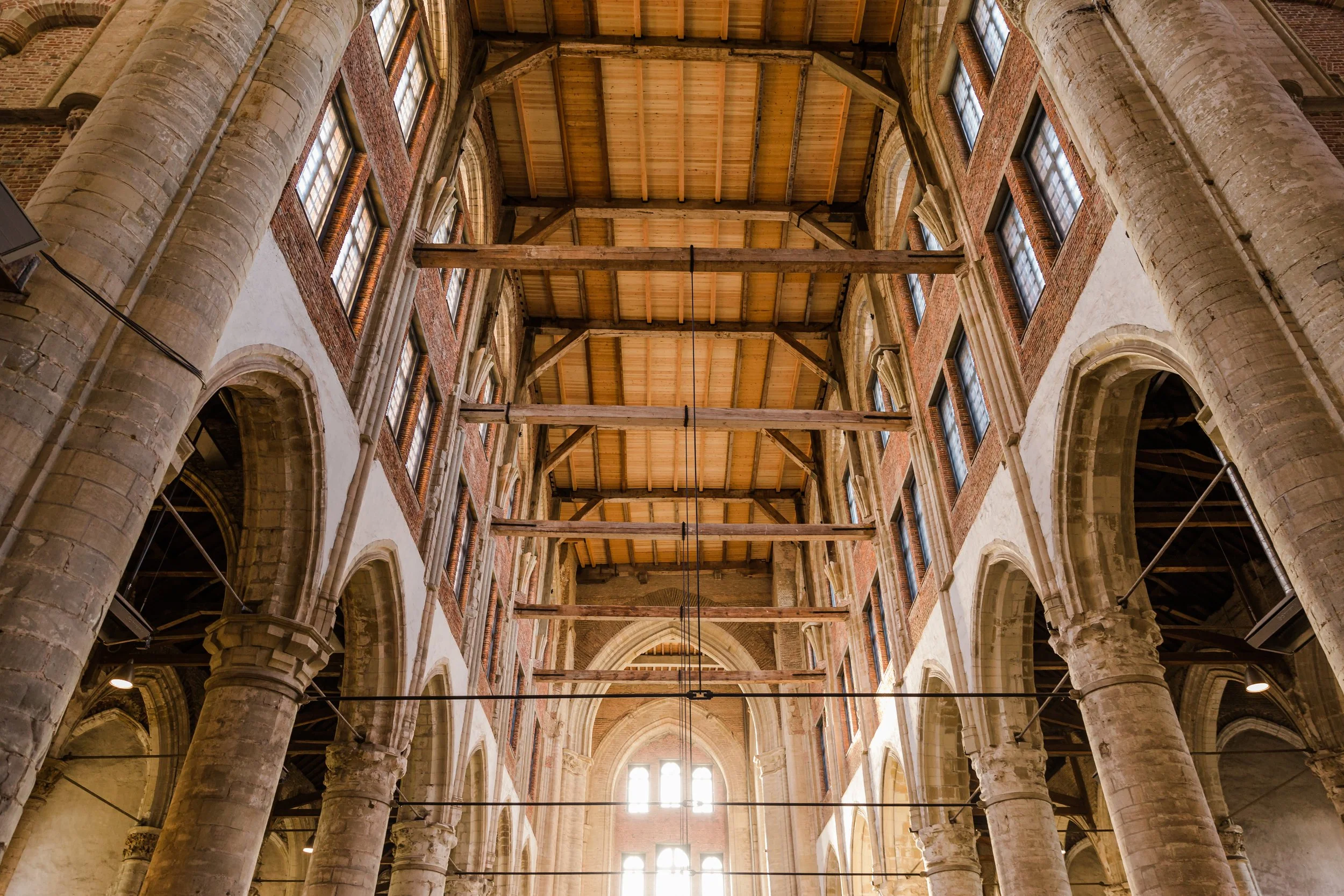
We provide you with a clear, structured approach to portfolio-wide strategy
Full visibility across your properties
Identification of risks and opportunities
Consistent decision frameworks
Mission-aligned pathways for every site
Portfolio Mapping & Diagnostics
Financials, building condition, and community relevance across all sites
Congregation & Demographic Insights
Giving, attendance, and population trends to inform decisions
Scenario Planning
Clear pathways: retain, redevelop, sell, co-use, or hub
Governance Tools
Templates, policies, and dashboards for scalable leadership
Stakeholder Engagement
Coordination with municipalities, nonprofits, Indigenous partners, and developers
Diocese Portfolio Review
50+ properties analyzed to identify urgent risks, opportunities, and sale candidates, supported by mapping and executive dashboards.
Archdiocese Property Analysis
Site-specific recommendations—from redevelopment to reuse—grounded in stakeholder input and real data.
From fragmented decisions → coordinated strategy
From uncertainty → data-backed clarity
From underused assets → mission-driven impact
From risk → prioritized action
In this interview, Todd Townshend, Bishop of the Diocese of Huron in the Anglican Church of Canada reflects on his partnership with Relèven. He discussed what it means for faith communities to serve their neighbours in this moment. We explore the changing realities facing congregations, the role of sacred space in public life, and the opportunity for faith-owned land and buildings to be stewarded in ways that strengthen communities, expand belonging, and support practical responses to housing insecurity and homelessness.
Supported by / Soutenu par :

As seen in / Vu dans :
